 English
 French
 German
 Italian
 Polish
 Russian
 Spanish
Seeing a ridiculously low unit price from an overseas factory feels like hitting the jackpot. You run the numbers, and the potential profit looks amazing on paper. But when the shipment finally arrives at your loading dock, the real headache begins. If a batch has a ten percent dead-on-arrival rate, you are not just losing the cost of the hardware.
You lose shipping fees, customer trust, and hours dealing with angry retail buyers. Cheap hardware is never truly cheap. Calculating the real defect rate is the only way to protect your retail business and keep your shelves stocked with products that actually sell.
How Does a High Defect Rate Destroy Your Profit Margins?
Let us look closely at the hidden costs of budget manufacturing. You buy a thousand devices, thinking you saved fifty cents on each unit. You feel pretty good about the deal. But then a hundred of them leak inside the packaging or simply refuse to charge straight out of the box. Suddenly, you have a line of frustrated customers demanding immediate refunds.
You have to pay out of pocket to replace those broken units. Imagine explaining to a regular customer that the device they just bought is defective, and then handing them a replacement that is also defective. That is exactly what happens when you ignore the defect rate.
Add up the lost retail value, the wasted shipping space, and the time spent apologizing to angry shoppers. That initial bulk discount quickly turns into a massive financial loss.
Many shop owners have bought a cheap pallet of stock only to throw away half of it because the batteries swelled up in a warm storage room. People forget that bad inventory takes up valuable physical space. You are paying rent to store boxes of unsellable plastic. It is a harsh lesson in retail economics.
Dead Batteries and Leaky Pods: What Goes Wrong in Cheap Factories?
To cut prices to the absolute bottom, budget factories cut corners on the most critical internal components. They often use substandard lithium batteries that drain completely during overseas transit. When your customer tries to take a puff, the device is completely dead.
The e-liquid tanks are another massive disaster zone. Instead of using precision-engineered seals, these factories use cheap silicone rings. This causes e-liquid to seep directly into the motherboard or, even worse, spit hot liquid directly into a user’s mouth.
Sometimes, the internal chip lacks basic short circuit protection or temperature regulation, leading to that awful burnt flavor after just a few puffs. When the internal hardware is poorly made, the entire device becomes a ticking time bomb for your brand reputation. No customer is going to come back to your shop if the product they bought leaked all over their car seats.
What Does Real Vape Wholesale Quality Control Look Like?
Serious manufacturing involves multiple layers of intense testing. Proper vape wholesale quality control starts long before the devices are ever assembled on the line. It begins with strict raw material checks, confirming the exact capacity of every lithium battery and testing the chemical purity of the e-liquid.
During assembly, factory workers should monitor welding spots and run air pressure tests to prevent future leaks. Before shipping, top-tier factories even run altitude simulation tests so the pods do not explode during air freight.
They also check the exact ratio of vegetable glycerin and propylene glycol to make sure the vapor production is thick and consistent. It takes a massive amount of effort and money to do this right. It stops the hardware problems before they ever have a chance to reach your warehouse shelves.
Why Does Partnering With a Reliable Vape Supplier Matter for Your ROI?
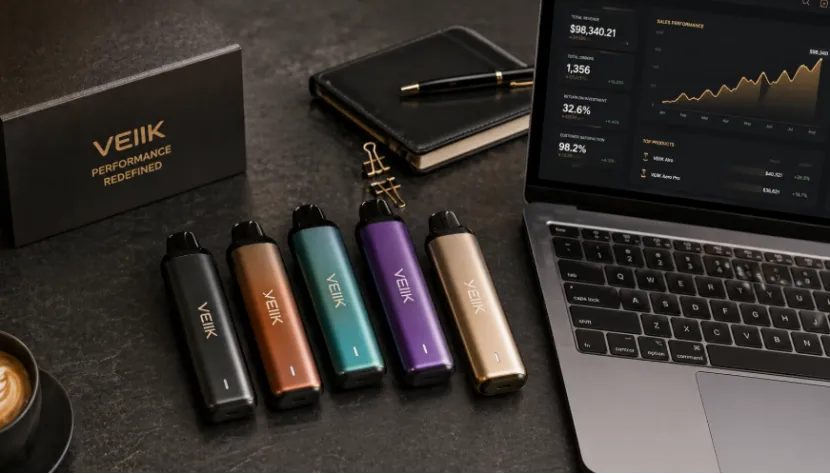
You need a factory partner that actually backs up its products. VEIIK operates a massive high-tech facility located in Shenzhen, backed by an American Design Center and over thirty dedicated R&D engineers. Founded back in 2013, they currently manage more than fifty product lines across forty different countries. They strictly use pharmaceutical-grade propylene glycol to stabilize the plant glycerin and tobacco oil emulsion, matching strict US Pharmacopeia standards for consumer safety.
Working with a truly reliable vape supplier means you get clear, transparent customer service. If a device fails to produce vapor or has a faulty light indicator, they offer direct repair or exchange policies. This takes the financial risk completely off your shoulders. You can confidently stock up on premium disposable vapes without lying awake at night worrying about defective batches ruining your monthly revenue. You also get e-liquid that delivers nicotine without the usual host of additives, chemicals, and toxins found in regular cigarettes.
FAQ
Q1: What is an acceptable defect rate for disposable devices?
A: Top factories keep their failure rates between one and two percent. Anything higher than that starts eating heavily into your operational budget.
Q2: How can you test a new factory before placing a bulk order?
A: Always order physical samples first. Leave them upside down on a desk for a few days to test the internal seals, and drain the battery completely to see if it holds a consistent charge.
Q3: Does bad production ruin e-liquid flavor?
A: Yes. Cheap coils heat unevenly. They scorch the internal cotton. This wrecks the flavorings, creating a rough, bitter taste.
Q4: Light is on, but zero vapor?
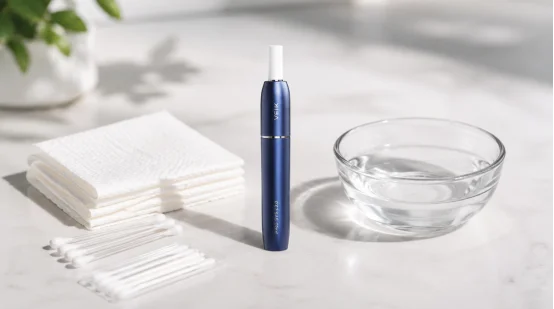
A: First, pop off the pod. Wipe those bottom metal contacts with a tissue. That usually restores the connection. Or, lightly swab the device inside using rubbing alcohol. Still dead? It is a hardware defect. You need a formal factory replacement.
Q5: Will a cheap factory replace dead-on-arrival devices?
A: Usually not. Budget sellers tend to ignore emails and calls once the final payment clears the bank, leaving you stuck with the broken merchandise.