
 English
 French
 German
 Italian
 Polish
 Russian
 Spanish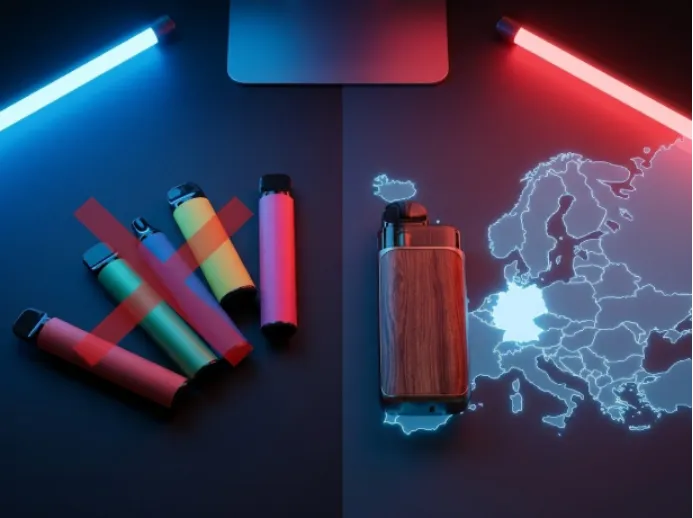
The disposable vape ban Europe 2026 is no longer just a headline. It is a day to day business issue for distributors, shop owners, and sourcing teams that need clear answers. The real pressure points are simple. Which are the countries banning disposable vapes? Can existing stock still move? And what happens when a product is legal in one market but blocked in the next? That is why disposable vape laws Europe now matter as much as flavor trends or price bands.
If you are looking at suppliers with one eye on policy risk and the other on shelf appeal, VEIIK is worth noting. The company says it was launched in 2018 by a Shenzhen manufacturer founded in 2013, focuses on personal vaporizers, and now sells in more than 40 countries. Its public product structure also shows something useful for buyers right now: it is not built around one format only. The site separates disposable vaporizer, prefilled pod, and refillable pod lines, which is exactly the kind of category spread many importers now want while rules tighten. That does not sound dramatic, but it is practical when one product class gets frozen by law and another is still moving.
Why Is the Disposable Vape Ban Europe 2026 Moving So Fast?
This shift did not come from one single complaint. It came from two repeated policy themes, youth appeal and waste, and both now show up in national rules and enforcement language across Europe.
Youth Appeal Is Still the Main Trigger
France states that disposable e-cigarettes, often called “puffs,” were used by teenagers despite an existing ban on sales to minors. Belgium’s official public health communication also tied the ban to youth protection. Once that point enters the lawmaking cycle, the market usually moves fast. Retailers know this already. A product can sell well for months, then become politically untouchable almost overnight.
Waste Makes Disposables Easier to Target
Disposable devices are also easy targets because they are single use by design. In the uploaded knowledge base, disposable products are described as the simplest type of vape, made for easy operation and then thrown away after use. The same material also classifies Disposable POD (MTL) products as nicotine salt devices, separate from standard POD systems with built in batteries. That product logic is exactly why regulators can single them out first.
Which Countries Are Banning Disposable Vapes in Europe?
If you are asking which countries have banned disposable vapes in Europe, start with the countries that have already moved from debate to enforcement. These are the ones that affect real shipments, not just conference talk.
The Disposable Vape Ban UK
The disposable vape ban UK took effect on 1 June 2025. Official guidance says the ban applies to sales online and in shops, covers vapes whether or not they contain nicotine, and makes it illegal to stock single use vapes for sale or supply. It also says any leftover stock must be recycled. That last part matters more than people like to admit. Old inventory is not just old inventory anymore.
The France Disposable Vape Ban
The France disposable vape ban took effect on 26 February 2025. France’s official public service notice says disposable e-cigarettes can no longer be sold or offered free of charge. For importers, that means “sell through later” is not a plan. It is a risk.
The Belgium Disposable Vape Ban
The Belgium disposable vape ban started on 1 January 2025. Belgium’s health authority said disposable e-cigarettes are totally banned for sale, regardless of the point of sale. Belgian notification guidance later repeated that disposable electronic cigarettes cannot be used for the Belgian market.
Can Retailers Still Sell Disposable Vapes in Europe?
This is the question buyers type into search bars in plain language: can retailers still sell disposable vapes in Europe? The honest answer is no, not as a single Europe wide rule. It depends on the market, the device format, and the date.
Country Rules Matter More Than Broad EU Headlines
The UK, France, and Belgium have already taken direct action. Other markets are still in review or in earlier legislative stages. So the first check is always local law, not rumor, not social posts, not what another distributor heard at an expo booth. That sounds obvious, but it gets missed.
Leftover Stock Needs a Plan
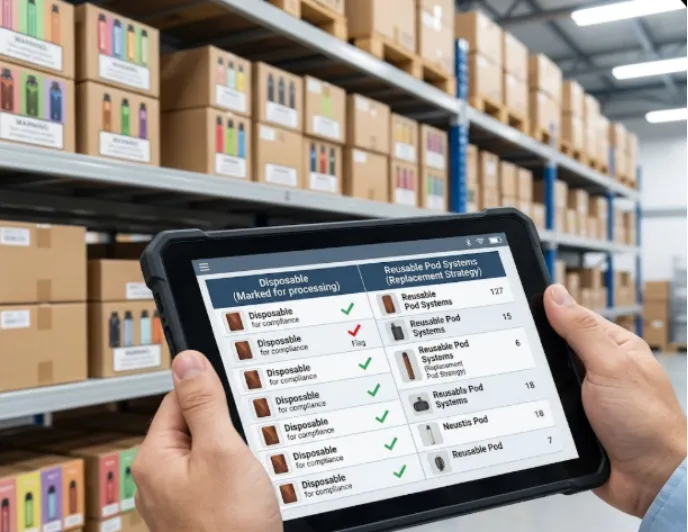
If you are holding leftover disposable vape stock, separate it by market now. Do not mix compliant reusable products with single use inventory. The UK guidance is especially clear here, because businesses must arrange recycling for leftover stock. For online sellers, the disposable vape ban for online sales is not a loophole in the UK either. The ban covers both online and physical retail.
What Counts as a Disposable Vape Under New Rules?
This point matters because format decides legality. The knowledge base splits products into MOD, POD MOD, POD, and Disposable POD. It also says POD devices are usually portable, simple, and easy to use, while Disposable POD products are single use MTL devices using nicotine salt. That gives you a useful commercial test. A product is not judged only by flavor or nicotine. It is judged by whether it is made to be reused.
Product Design Is Now a Compliance Issue
The same knowledge base says pod buyers care about portability, battery life, airflow design, coil material, and leakage risk. The VEIIK FAQ adds practical details that match real retail complaints: condensation needs regular cleaning, burnt taste can come from dry hits or chain vaping, and pods should be stored unopened in a dry place at room temperature. Those details help when you compare reusable formats, because a legal replacement still has to be easy to sell and easy to live with. VEIIK E-Cigar and the wider Disposable Vaporizer collection sit next to prefilled and refillable categories on the site, which is a useful internal path for readers moving from regulation news to format comparison.
What Are the Best Reusable Vape Alternatives?
When bans hit, the market usually shifts rather than disappears. The best reusable vape alternatives are usually pod based formats that keep the same easy learning curve. In the uploaded material, pod systems are described as portable, simple, and convenient, while prefilled and refillable paths let buyers move away from pure single use stock. If you are planning how to prepare for disposable vape bans in Europe, that is the practical direction: keep the draw familiar, keep maintenance simple, and move into device categories that can stay on shelf longer. A clean support path helps too, so an internal link to the FAQ page makes sense for readers who move from policy questions to product care questions.
FAQ
Q1: Are disposable vapes banned across Europe?
A: No. There is no single Europe wide ban that works the same in every country. But the UK, France, and Belgium have already banned disposable vape sales, so country by country checks are now essential.
Q2: Can retailers still sell disposable vapes in Europe?
A: In banned markets, no. In the UK, for example, businesses cannot sell, supply, offer for sale, or even stock single use vapes for sale.
Q3: What should you do with leftover disposable vape stock?
A: Separate it by market and stop treating it as normal inventory. In the UK, leftover stock must be recycled, not sold through after the ban date.
Q4: What counts as a disposable vape under new rules?
A: In simple terms, it is a single use device rather than a reusable pod system. The knowledge base also places disposable products in the Disposable POD category, usually MTL and nicotine salt based.
Q5: What are the best reusable alternatives to disposable vapes?
A: Usually pod based products, especially prefilled pod and refillable pod formats, because they keep portability and ease of use while giving you a route away from single use stock.