 English
 French
 German
 Italian
 Polish
 Russian
 Spanish
Understanding Vape Cloud Density
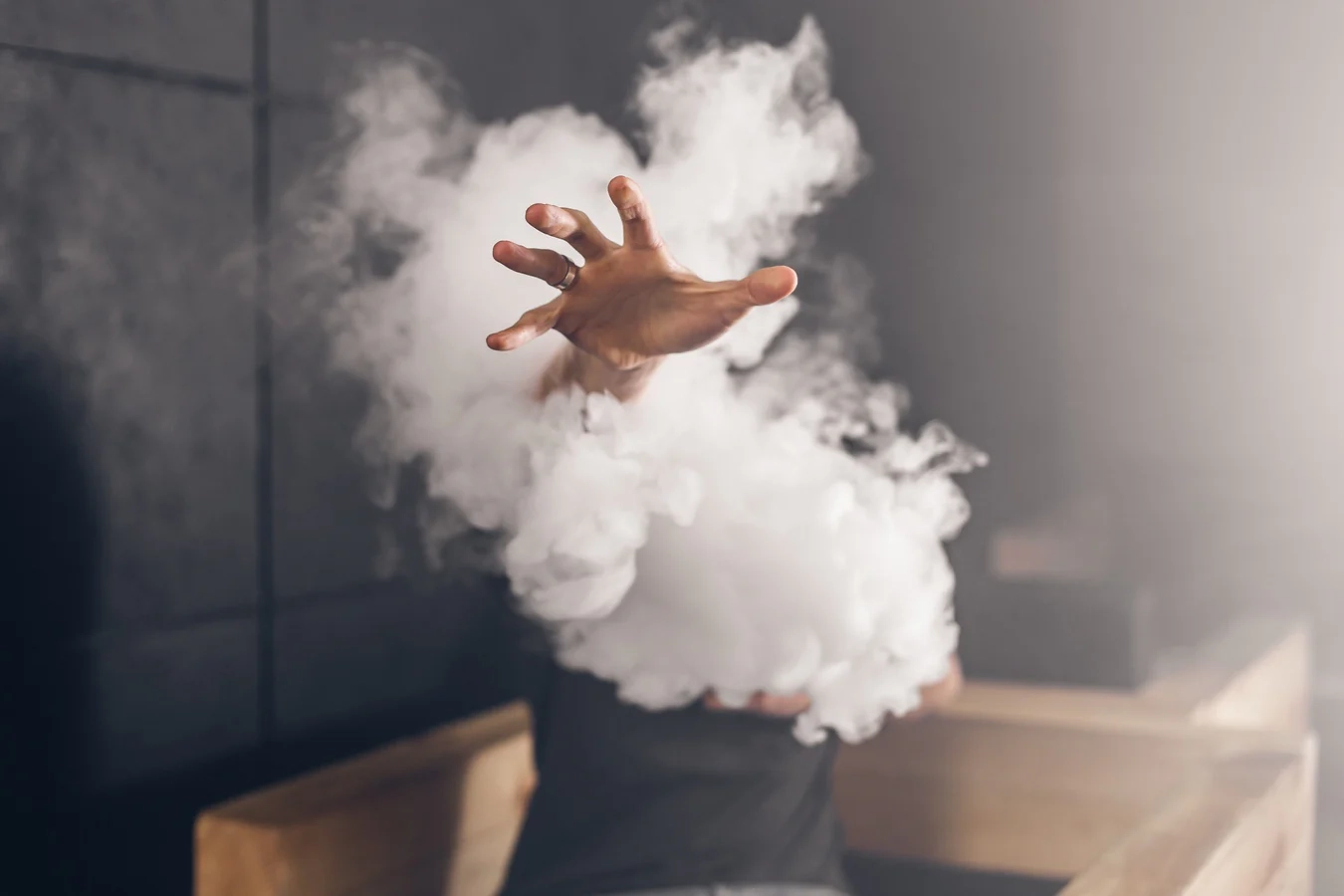
Vape cloud density means the thickness, size, and darkness of the mist that comes out when someone exhales from a vaping device. In serious and hobby groups, thick clouds count as a main sign of good performance for gear made for big vapor. People call this cloud chasing. It comes from turning e-liquid into vapor well, mostly from vegetable glycerin (VG). Device power and airflow setup also play big parts.
Key Factors Influencing Vape Cloud Density
Several connected things decide how much cloud a vape makes. Main ones cover device power level, coil details, e-liquid makeup, airflow setup, and how someone vapes.
Selecting Appropriate Hardware for Enhanced Vapor Production
High-wattage regulated mods work as the base gear for big cloud amounts. These give adjustable power. It usually runs from 80W up past 200W. This heats coils fast and steady to make lots of aerosol. They match low-resistance builds so energy moves well. Sub-ohm tanks and atomizers come built for strong vaping. Coils under 1.0 ohm, often 0.1–0.5 ohms, take higher wattage. They let more e-liquid soak in and turn to vapor. Newer ones use mesh coils for even heat. They have bigger wicking holes for thick liquids and wide airflow paths for free draws. Rebuildable dripping atomizers (RDAs) and rebuildable tank atomizers (RTAs) let users tweak things for top results. These allow exact coil making with different wire sizes, types, and shapes. That helps set resistance, surface area, and heat spread for better cloud thickness.
Optimizing E-Liquid Composition
E-liquid mix matters a lot for vapor amount. Vegetable glycerin (VG) adds the most to thick mist because it is sticky and boils in a certain way. Mixes with 70% VG or more, like 70/30 or 80/20 VG/PG, make thicker and bigger clouds than high propylene glycol (PG) ones. PG helps carry taste and gives throat hit but makes thinner vapor. Nicotine level changes things too. Low nicotine, like 0–6mg/ml freebase or matching salts, lets longer and deeper pulls without too much bite. This means more vapor goes in. High nicotine cuts draw strength and shrinks possible cloud size.
Airflow Management Strategies
Adjustable airflow lets users control air coming in exactly. This changes cloud features right away. Open settings bring in more air. They help bigger mist spread and thickness through good mixing and cooling. Too much air can make vapor thin. Right settings balance size and thickness. Wide-bore drip tips and bigger chimney parts allow free airflow. They cut drag and boost exhale amount. They work well with sub-ohm gear to match high-power use.
Refining Vaping Techniques
Direct-to-lung (DTL) inhaling boosts cloud making. It pulls vapor straight to the lungs. This handles big vapor loads without holding in the mouth. Mouth-to-lung (MTL) focuses on taste but keeps output small. Preheat or ramp-up settings in good mods send quick power to coils at first. This speeds up vapor making for thicker starting clouds. Steady chain vaping at right wattage keeps heat even. It stops drops that cut production.
Equipment Maintenance Protocols
Coil life and cleanness affect steady work. Regular dry burning, washing, or swapping stops buildup that blocks wicking and heating. Dirty coils lower vapor and make density uneven. Good wicking gets enough e-liquid to the coil. Cotton needs careful setup. It should not sit too tight, which stops flow, or too loose, which floods. This keeps things wet during high-wattage sessions. Tricks like staggered cotton cuts or special cotton types help steady work in tough setups.
Advanced Coil Configurations for Maximum Output
Custom coil building lets users match resistance and surface area. Fancy builds like Clapton, fused Clapton, alien, or staple coils raise heating area while keeping low resistance. This improves vapor making. Parallel setups run multiple coils side by side. They drop resistance overall and spread heat even for bigger output. Series builds stack coils up and down. They raise voltage drop and power in regulated devices. Following Ohm’s law math and battery limits stays key for safe use.
Safety Protocols in High-Output Vaping
High-wattage use needs strict battery care. High-drain cells, like 20–30A continuous rating, stop voltage drops and too much heat. Regular checks for damage, dents, or vent problems, plus right storage, cut dangers. Checking coil resistance with ohm meters makes sure it fits device rules. Builds too low risk high current pull. This can cause heat issues or gear failure.
Emerging Trends in Cloud-Optimized Technology
New steps include mesh coil setups for quick heat-up and even warming. Adjustable power curves give changing output. Built-in temperature control modes keep vapor steady over time. New e-liquid extras and coil materials push thickness limits. They also fix wicking problems with high-VG mixes.
Conclusion
Getting great vape cloud density takes full tuning across hardware choice, e-liquid mix, airflow setting, technique improvement, and upkeep habits. Industry experts and makers keep improving these parts to raise standards in vapor devices.
VEIIK
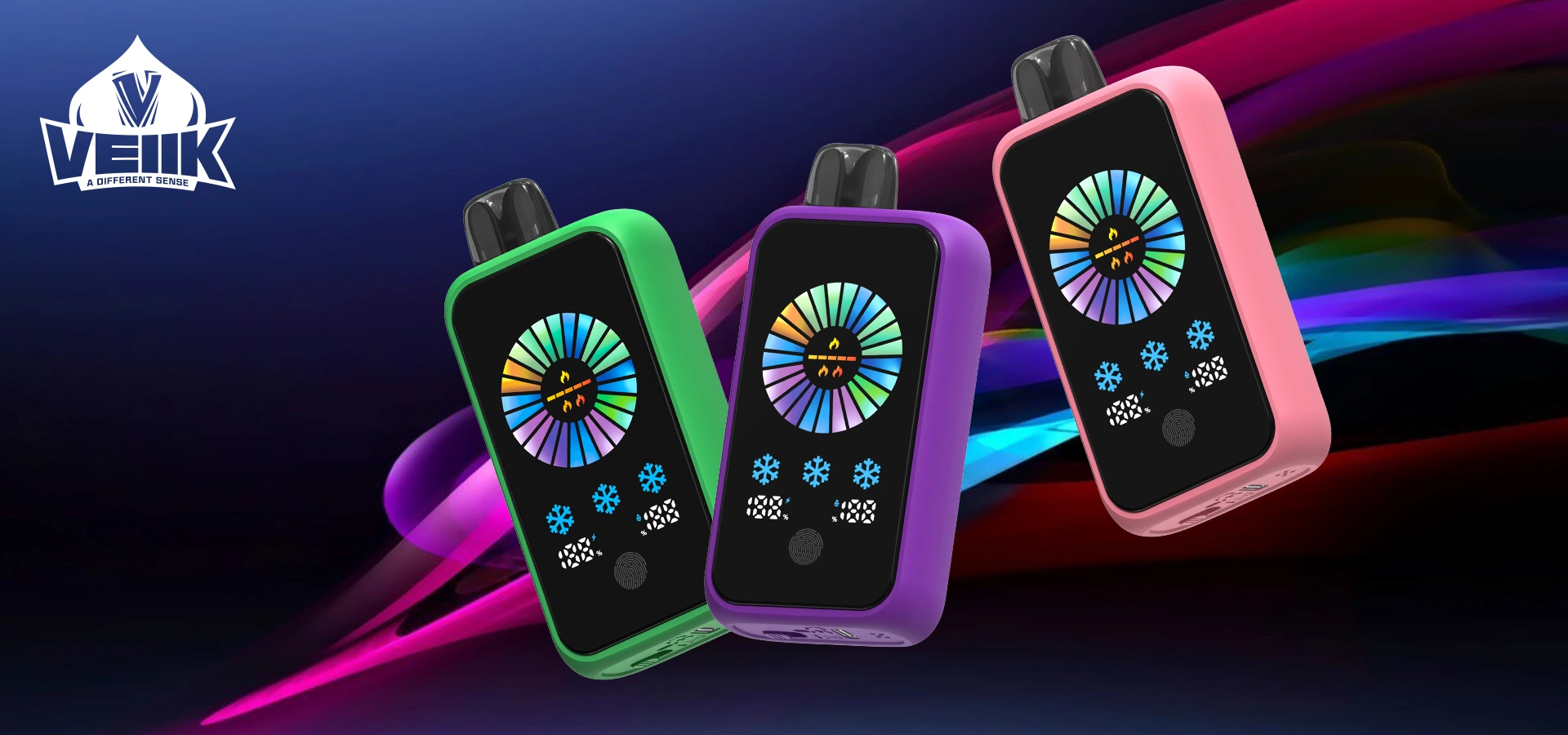
VEIIK, as a leading manufacturer and supplier of vaping products, including disposable vaporizers, prefilled pods, refillable systems, and related components, offers comprehensive solutions for high-performance applications. With expertise in R&D, OEM/ODM services, and global wholesale distribution from its Shenzhen facilities, VEIIK supports partners in delivering innovative, quality-assured vaping hardware.
FAQ
What primary factor most significantly impacts vape cloud density?
Vegetable glycerin (VG) content in e-liquids stands as the dominant influence. Higher VG ratios (70%+) produce substantially denser vapor due to increased aerosol volume.
Why do sub-ohm coils excel in cloud production?
Sub-ohm resistance (below 1.0 ohm) allows higher wattage application. This results in greater heat output and e-liquid vaporization for larger, thicker clouds.
How does airflow adjustment affect cloud characteristics?
Increased airflow promotes larger plume volume through enhanced air-vapor mixing. Optimal settings balance density without excessive dilution.
What role does nicotine strength play in maximizing clouds?
Lower nicotine concentrations facilitate longer, deeper inhales. This enables greater vapor intake and denser exhales compared to higher-strength options.
Are rebuildable atomizers necessary for advanced cloud chasing?
While not essential, RDAs and RTAs provide customization advantages in coil design and wicking. They often yield superior density over stock sub-ohm tanks.
Partner with a Reliable Vape Manufacturer and Supplier
For distributors, retailers, and brands seeking high-quality, customizable vaping solutions—including disposable vaporizers, pod systems, and bulk e-liquids—contact VEIIK as your trusted manufacturer, supplier, and factory partner. With extensive R&D capabilities, international certifications, and competitive wholesale options, VEIIK delivers innovative products tailored to market demands. Reach out via wholesale@veiik.com to discuss OEM/ODM opportunities, product specifications, and global supply chain support.