 English
 French
 German
 Italian
 Polish
 Russian
 Spanish
The vaping industry keeps growing fast all over the world. New ideas in disposable vapes, pod systems, and e-liquids push this growth. As more people want these products, many brands choose original equipment manufacturing (OEM) and original design manufacturing (ODM) services to make large amounts quickly. Shenzhen, China, stays the main center for this business. People often call it the world’s vaping capital because it has strong systems and many special factories. Here, more than 600 manufacturers provide OEM/ODM solutions. These services help brands release custom items—from high-puff disposable pens to refillable pod kits—in just about one month.
Yet, picking the right factory matters a lot. Bad partners can cause quality problems, late delivery, safety risks, and poor user feelings that hurt the brand name. Strict rules, such as TPD compliance in Europe or FDA guidelines in the US, make these dangers even bigger. Brands need careful checks. This guide shares useful ways to find a great vape OEM/ODM factory. It uses common industry tips to promise steady work, easy growth, and rule-following.
The Importance of OEM/ODM in the Vaping Supply Chain
OEM means making products that follow a brand’s exact plans and use the brand’s label. ODM goes further and includes full design and building from the start. In vaping, these ways let brands spend time on selling and shipping instead of building their own plants. Reports say the global e-cigarette market should hit $65 billion by 2028. More than 70% of making happens through OEM/ODM in China.
Factories in Shenzhen use modern machines, like mesh coil lines and flavor adding systems, to create special products. Still, problems remain: fake items, changing costs for materials like propylene glycol and nicotine salts, and different quality checks. Brands should pick factories that show clear steps to avoid trouble. Good signs include following certificates such as CE, RoHS, FCC, and ISO 9001. These prove safety and care for the environment.
1. Look for a Vape Factory That Has Been in Existence for Quite Long
A factory that has worked in OEM/ODM for many years shows it is stable and knows the job well. Places that started vaping work more than ten years ago have faced many market changes. They handled the 2016 Juul boom and new disposable vape rules. These older factories improve their ways over time. They bring defect rates below 0.5% with steady bettering.
Think about how the factory managed different jobs, like building 10,000-puff disposables or MTL pod systems. Data from sites like Made-in-China.com tells us that factories with 10+ years often work with over 300 global brands. This gives lower costs because of big scale. Newer places might save money in bad ways to offer low prices. That can lead to battery problems or weak flavors.
Check the years by looking at company history on websites or LinkedIn pages. Look for proof of long customer ties, such as repeated orders from big sellers. Long time in business usually means strong supply contacts. These help get parts fast, like ceramic coils or food-grade e-juice bases.
2. Consider the Factory Size
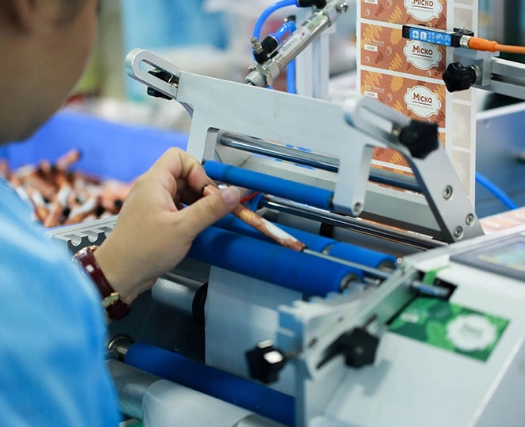
Size really counts in vape OEM/ODM. Bigger places spend a lot on equipment—sometimes millions on research and clean rooms—to handle huge orders. A medium factory (5,000–10,000 sqm) usually has 300–600 workers. It includes special groups for plastic molding, putting parts together, and testing. This setup runs many lines at once. It cuts waiting time from order to shipping down to 4–6 weeks.
Large factories offer full services: from early models with CAD software to big making with auto e-liquid fillers. They keep super-clean workshops (ISO Class 8 or better) so nothing dirty gets in nicotine items. Small factories can move fast for low MOQs (minimum order quantities of 500–1,000 units). However, they often face trouble when orders grow big during busy times.
Judge size by real visits or online tours. Check numbers like yearly output (millions of units) and different product types. Factories that make disposables, tanks, and mods show they can do many things. In Shenzhen’s Bao’an District, groups of big factories share transport help. That makes everything work smoother.
3. Get Samples from the Manufacturer
Samples act as the true test of factory care for quality. Ask for test units of main items, like a 6,000-puff disposable or refillable pod kit, made exactly to your wants—such as 5% nicotine salt and fruit tastes. Check more than looks. Test how smooth the draw feels, how steady the vapor stays, and how long the battery lasts (for example, 500–800 mAh).
Look closely at the e-liquid taste. Top-grade materials should give nice throat hits without being too strong. Check for leaks, how long coils work (up to 10ml per pod), and correct rule marks. A good factory sends free or cheap samples (under $50 each) in 7–10 days. They often add tracking codes for each batch.
When a factory saves money on samples—sends late or uses plain juice—it hints at future mistakes. Ask next about their quality steps: auto leak check machines, flavor testing tools, and outside lab reports for heavy metals or diacetyl. Great sample results give trust for full big orders. MOQs there start at 500 pieces. Flavors have no limits.
Additional Strategies for Vetting Vape OEM/ODM Factories
Beyond the main three points, dig deeper for full trust.
Certifications and Compliance
Best factories own many official papers: CE for EU safety, RoHS for harmful materials, FCC for radio waves, and TPD for UK/EU tank sizes (max 2ml). New rules like KC (Korea) and PMTA (US premarket tobacco authorization) grow important. Check them by factory visits or sites like UL or SGS. Partners without papers risk stopped shipments at borders. That costs brands lots of money and time.
R&D Capabilities and Innovation
Choose factories with their own research teams (20–50 engineers) and 50+ patents, maybe for dual-mesh coils or airflow controls. This keeps products fresh with new trends—like zero-nicotine choices or earth-friendly packs—so brands stay strong. Look at past work for new ideas in batteries (fast Type-C charging) or steady flavors.
Supply Chain Transparency and Sustainability
Clear tracking from start materials (USP-grade PG/VG) to final items stops fakes. Honest factories share supplier checks and use green ways, such as recyclable boxes or less waste. In 2025, green care affects 60% of buyer choices, surveys show.
Client References and Reviews
Ask for success stories or talk to 3–5 old customers about on-time delivery (95%+ rates) and help. Sites like Trustpilot or Alibaba scores (4.8+ stars) show truth. Watch out for too-perfect words; check normal forums too.
Cost Structure and MOQ Flexibility
Price matters, but super-low offers often mean cuts in quality. Normal cost sits at $2–$5 per disposable unit. It changes with extra wants. Easy MOQs (500–1,000) help new brands. Bigger amounts over 10,000 bring lower prices and special tools.
Common Pitfalls in Selecting Vape OEM/ODM Partners
Moving too fast because a factory is close or quotes cheap causes bad matches. Forgetting IP safety lets others copy designs—always sign NDAs and file patents. Missing shipping plans (EU storage for quick delivery) raises costs. Also, weak after-sale help like 6-month warranties breaks trust.
By using these steps carefully, brands find factories that fit long plans. This helps growth in a strict market.
FAQ
Q: What is the typical lead time for a vape OEM/ODM project?
A: Standard timelines range from 4–8 weeks. This covers 1–2 weeks for prototypes, 2–4 weeks for making, and 1 week for checks and shipping. Big orders can reach 10 weeks.
Q: How can factories ensure compliance with international vaping regulations?
A: Through certificates like TPD, CE, and RoHS, plus own tests for nicotine amount, tank size, and smoke. Outside labs confirm FDA or EU rules.
Q: What minimum order quantities (MOQs) do most vape factories accept?
A: MOQs usually begin at 500–1,000 units per SKU. They allow changes for flavors. Large volumes give discounts and custom tools.
Q: Are e-liquid customizations included in OEM/ODM services?
A: Yes, factories create special mixes, including nicotine levels (0–5%), PG/VG ratios, and flavors. They use food-grade materials for steady taste.
Q: How do factories handle intellectual property in ODM projects?
A: Via non-disclosure agreements (NDAs) and shared patent filings. This keeps designs only for the brand.
Partner with a Premier Vape Manufacturer and Supplier: Elevate Your OEM/ODM Production with VEIIK
For brands that want a reliable vape OEM/ODM factory, working with a known manufacturer and supplier like VEIIK brings top speed and fresh ideas. As a major Shenzhen-based producer under Shenzhen VEIIK Technology Co., Ltd., VEIIK focuses on high-end disposable vapes (e.g., Micko series up to 20,000 puffs), pod systems (Airo and Dynam kits), and custom e-liquids with 50+ flavors. With an 8,000 sqm facility that includes 5,000 sqm dust-free workshops, 500+ production staff, and a 30-member QA team, VEIIK offers MOQs from 500 units with 4–6 week delivery. Certified to CE, RoHS, FCC, TPD, and KC standards, and owning 50+ patents, VEIIK provides safe, growing solutions for brands worldwide. Contact VEIIK today at info@veiik.com to ask for samples, talk about custom designs, or start your next vape line—helping your business with steady supply and strong market edges.